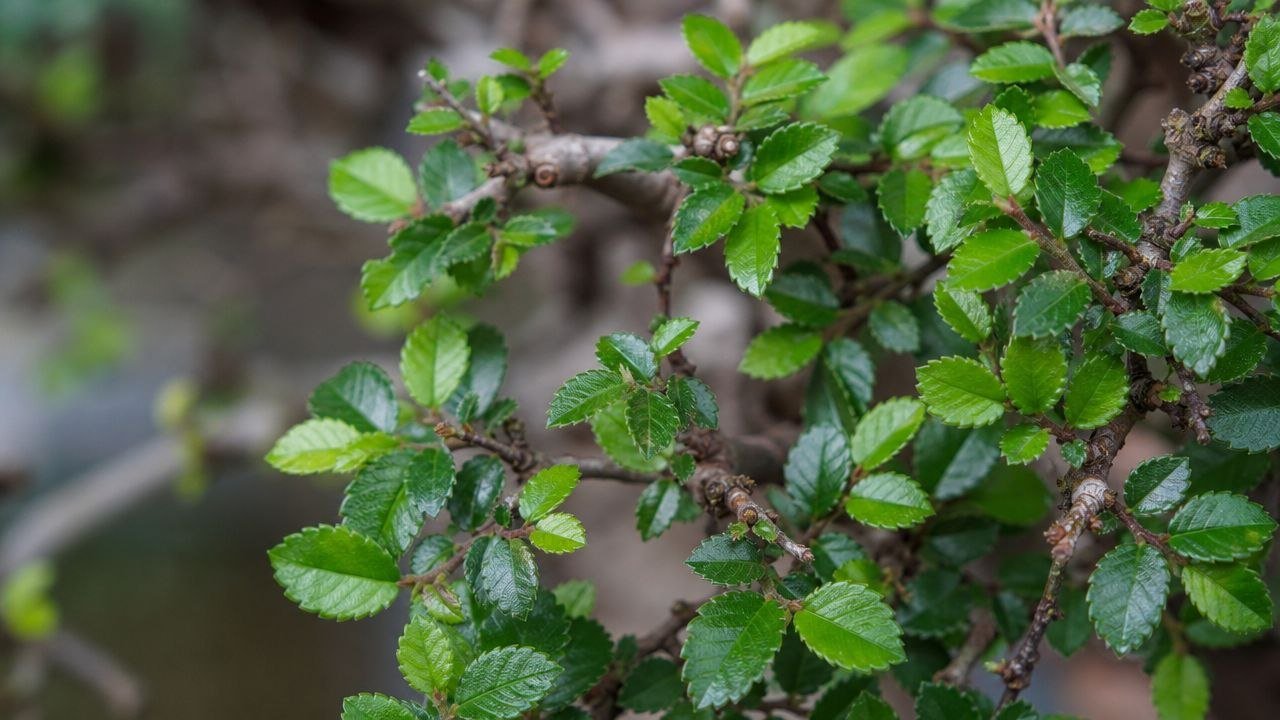
My first Chinese elm bonsai tree almost died because I cared for it the wrong way.
I kept it beside a bright window and watered it every single morning. I honestly believed a healthy bonsai should never have dry soil. About two weeks later, the leaves turned yellow and started dropping. I blamed the nursery, the soil, and even the weather. The truth was much simpler. I was drowning the roots.
That mistake completely changed how I care for bonsai trees today.
Why Chinese Elm Is a Great First Bonsai
If you’re buying your first bonsai, Chinese elm is one of the safest choices.
It grows quickly, responds well to pruning, and usually recovers from the small mistakes that beginners make. After I stopped overwatering mine, tiny green buds appeared within a few weeks. That’s when I realized healthy roots matter far more than watering every day.
How I Choose a Healthy Chinese Elm Bonsai Tree
Now I never buy a bonsai just because it has lots of leaves.
Instead, I look for these signs:
– A thick, sturdy trunk
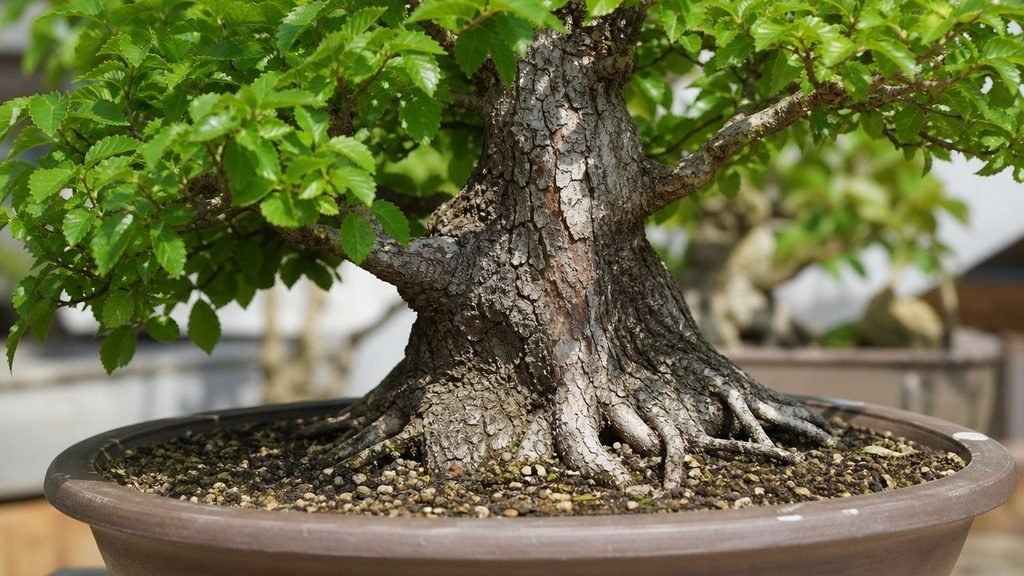
– Strong surface roots spreading across the soil
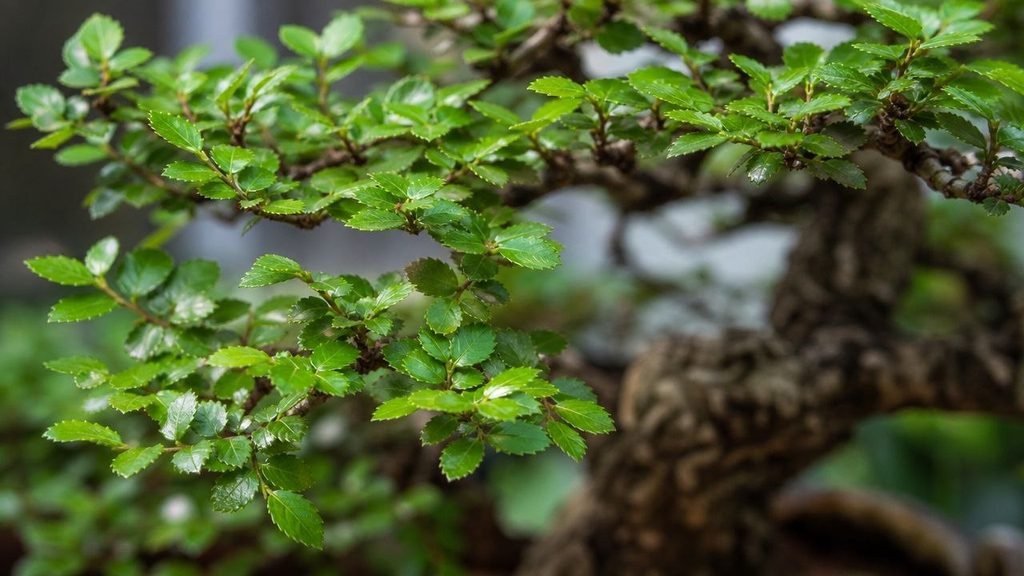
– Small, glossy green leaves
– Healthy branches without dead twigs
A solid trunk and healthy roots usually tell you more than a perfect-looking canopy.
Should You Grow It Indoors or Outdoors?
I kept my Chinese elm indoors for several months. It stayed alive, but the branches stretched toward the light and the growth became weak.
Moving it outside made a noticeable difference. Morning sunlight and fresh air produced denser foliage, shorter shoots, and a much healthier tree.
If your climate allows it, outdoor growing is usually the better option during the growing season.
How to Water a Chinese Elm Bonsai Tree
The biggest lesson I learned was to stop following a timetable.
Before watering, I press my finger into the top inch of soil. If it feels dry, I water thoroughly until water drains from the bottom of the pot. If it still feels damp, I simply wait.
Some weeks the tree needs water every two days. Other weeks it needs much less. The soil gives a better answer than the calendar.
Pruning Without Overthinking It
Pruning used to scare me because I thought one wrong cut would ruin the tree.
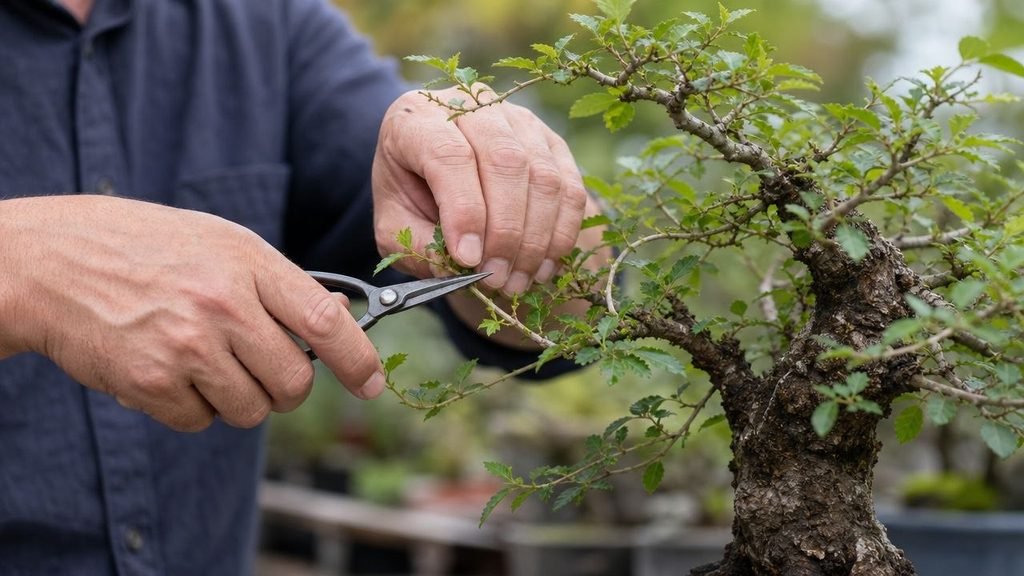
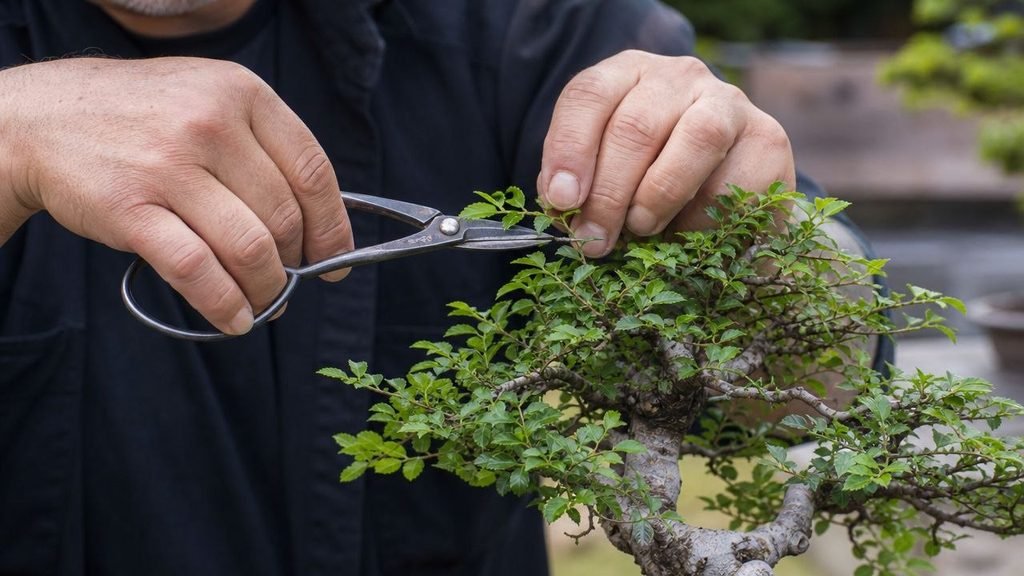
Now I let each new shoot grow to five or six leaves, then trim it back to one or two. Regular light pruning keeps the canopy compact and much fuller throughout the season.
My Simple Daily Routine
Every morning I spend less than two minutes with my bonsai.
I do four things:
– Check the soil moisture
– Look for fresh buds
– Remove dead leaves
– Rotate the pot once a week for even light
It’s simple enough that I actually stick with it.
Common Mistakes Beginners Make
Avoid these mistakes if you want a healthier tree:
– Watering every day without checking the soil
– Keeping the bonsai in deep shade
– Using a pot with poor drainage
– Waiting too long before pruning
Final Thoughts
If I could give every beginner only one piece of advice, it would be this:
Don’t water out of habit. Check the soil first.
That single change saved my Chinese elm bonsai tree and made caring for it much easier.
Frequently Asked Questions
Is Chinese elm a good indoor bonsai?
Yes, but it performs much better outdoors over the long term. If you grow it indoors, place it beside the brightest window and give it as much natural light as possible.
Are Chinese elm trees good for bonsai?
Yes. Chinese elm is one of the best bonsai species for beginners because it grows vigorously, responds well to pruning, and recovers well from minor care mistakes.
How long can a Chinese elm bonsai tree live?
With proper care, a Chinese elm bonsai can live for 50 to 100 years. Well-maintained trees are often passed down through generations.
How do I care for a Chinese elm bonsai tree?
Give it plenty of light, water only when the top inch of soil feels dry, prune new shoots regularly, feed during the growing season, and repot before the roots become overcrowded.

1 Comment