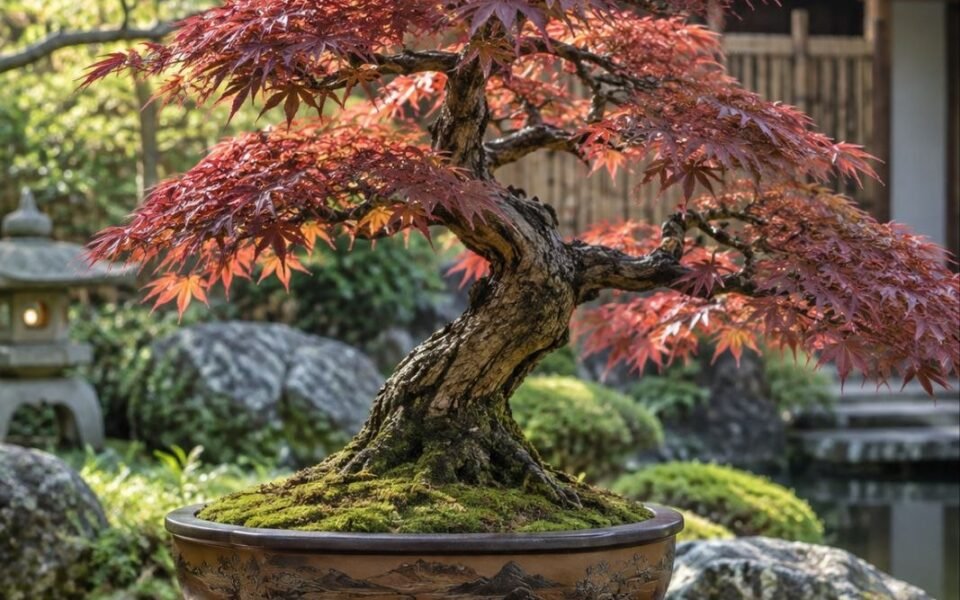
Growing a bonsai from seed means starting the tree’s life the day you plant it, not buying a pre-shaped tree and placing it in a pot. It takes years before it looks like anything close to a bonsai, and most beginners lose a few seedlings along the way before they get it right.
I’ve been growing bonsai for over 15 years, and seed-grown trees are still where I’ve learned the most, mostly from the ones that didn’t survive. This guide walks through the whole process the way I actually do it, not the shortened version you’ll find on most seed-supplier websites.
What Growing a Bonsai From Seed Actually Means
Bonsai isn’t a species of tree. It’s a technique: keeping a normal tree small through a shallow container, regular trimming, and wiring over time. Any tree species can become a bonsai this way. Growing “from seed” just means you’re the one who raised it from its very first root, instead of buying a starter plant or an already-trained tree from a nursery.
The advantage is control. You decide the trunk shape, the branch placement, and the timing from day one. The tradeoff is time. Expect at least 3 to 5 years before the tree starts looking like a bonsai, and a decade or more before it reaches a refined, mature shape. If you want a finished-looking tree sooner, buy a pre-bonsai or nursery stock instead. Seed-growing is for people who want the full process, not just the end result.
Choosing the Right Species for Your Climate
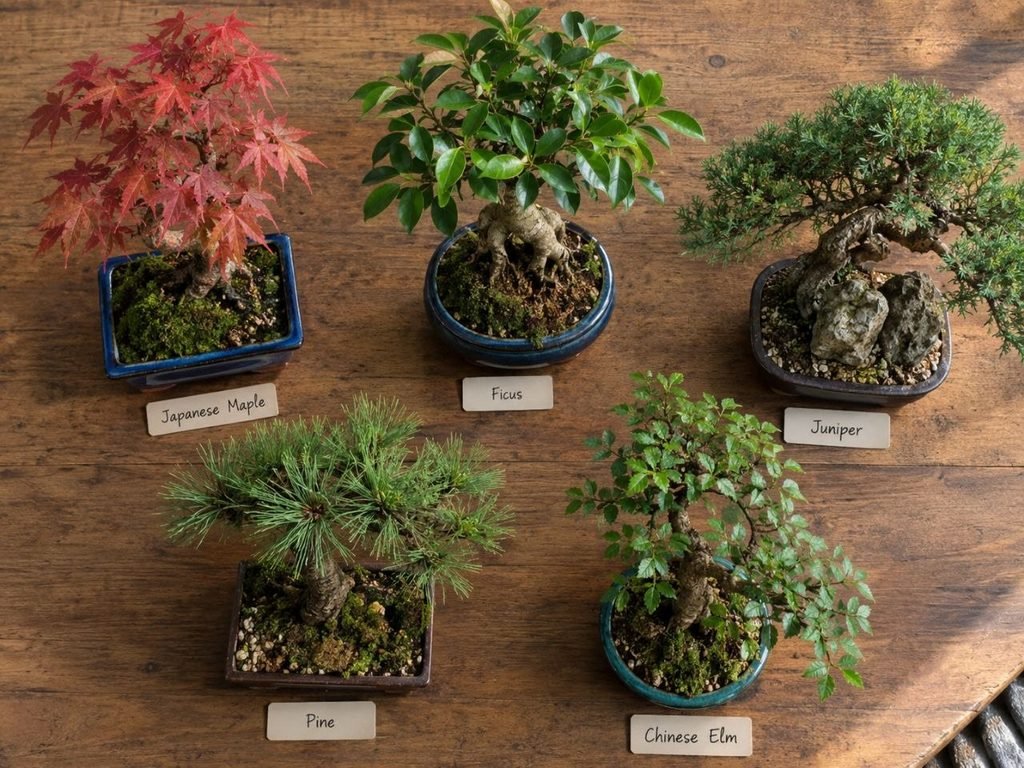
Pick your species around your climate first, and your skill level second. A ficus won’t survive an outdoor Canadian winter, and a juniper will slowly decline on a warm indoor windowsill no matter how well you care for it otherwise. If you’re not sure where your area falls, check your USDA hardiness zone before picking a species, it takes the guesswork out of this decision..
| Species | Best Climate | Indoor or Outdoor | Beginner Friendly | Growth Speed |
|---|---|---|---|---|
| Japanese Maple | Temperate (US, UK) | Outdoor | Moderate | Medium |
| Ficus | Any, including cold winters | Indoor | High | Fast |
| Juniper | Temperate to cold | Outdoor only | Moderate | Slow |
| Black Pine / Scots Pine | Temperate | Outdoor | Low (patience-heavy) | Very slow |
| Chinese Elm | Most climates | Either | High | Fast |
| Fruiting (crabapple, pomegranate, citrus) | Depends on species | Depends on species | Moderate | Slow to fruit |
Chinese Elm and Ficus are the two I recommend most to anyone starting out. Both tolerate early mistakes, which matters more than people think when you’re still learning to read a plant’s watering needs. If you want the full care picture once your Chinese Elm seedling is established, my Chinese Elm care guide covers it in depth, and the same goes for Japanese Maple if you’re growing one for its fall color.
Getting and Preparing Your Seeds
You can collect seeds yourself from a fruiting or seed-bearing tree, get them from a nursery, or order from an online seed supplier. Buying from a supplier is the safer route for a first attempt, since the seeds are fresher and correctly labeled. Seeds collected off the ground can be old, damaged, or mislabeled if you’re not sure of the parent tree.
Cold Stratification, Step by Step
Most temperate-climate seeds, including maple, pine, and juniper, need a period of cold before they’ll germinate. Skip this step and they’ll likely stay dormant indefinitely. This is the same dormancy-breaking process Iowa State University Extension covers for tree seed germination in general, the timing below is just the bonsai-specific version of it.
- Soak the seeds in room-temperature water for 24 hours.
- Wrap them in a damp paper towel or damp sand, sealed inside a plastic bag.
- Store the bag in the refrigerator, not the freezer, for 6 to 12 weeks depending on species.
- Check weekly for mold, and swap the towel if it looks off.
Tropical species like ficus skip this step entirely and can be sown directly.
Sowing the Seeds
Once stratification is done (or skipped for tropical species), sow into a well-draining mix, either a blend of akadama, perlite, and peat, or a standard seed-starting mix.
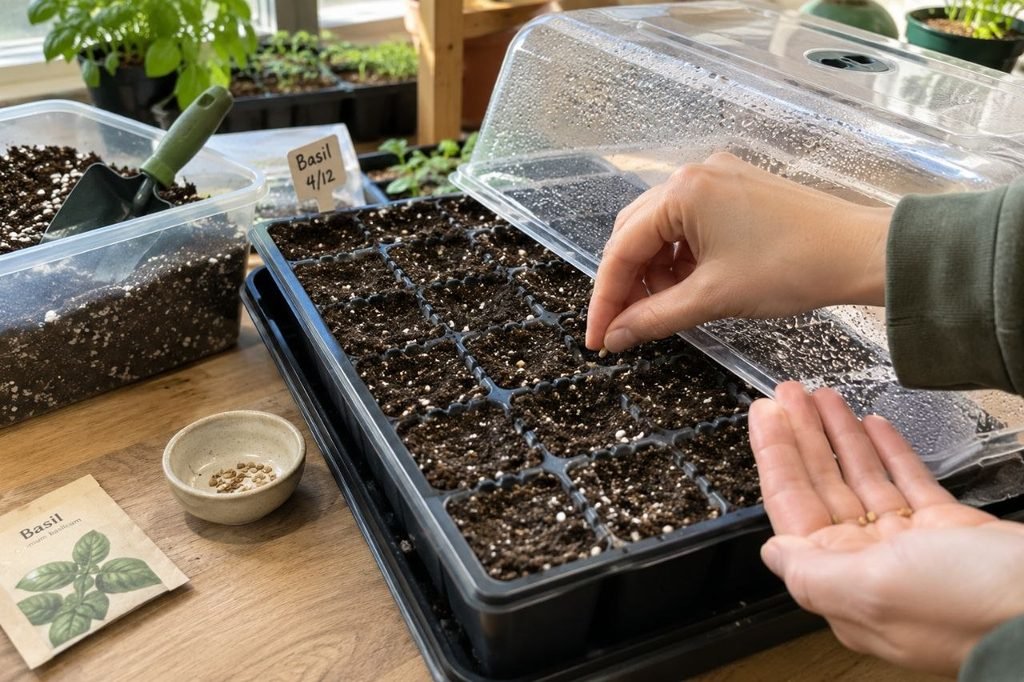
- Plant seeds at a depth roughly twice their own width.
- Water gently so the soil stays moist, not soggy.
- Cover the tray with plastic wrap or a humidity dome, with a few small holes poked in for airflow.
- Keep it warm with indirect light. Direct sun dries the soil out too fast at this stage.
Ideal germination temperature sits between 20°C and 25°C (68°F to 77°F). The moment sprouts appear, remove the plastic and move the tray into gentle sunlight.
Caring for Seeds During Germination
Germination timing varies a lot by species. Some sprout in 2 to 3 weeks, others take a few months. During this window, keep the soil consistently damp without waterlogging it, and hold the temperature between 18°C and 24°C (65°F to 75°F).
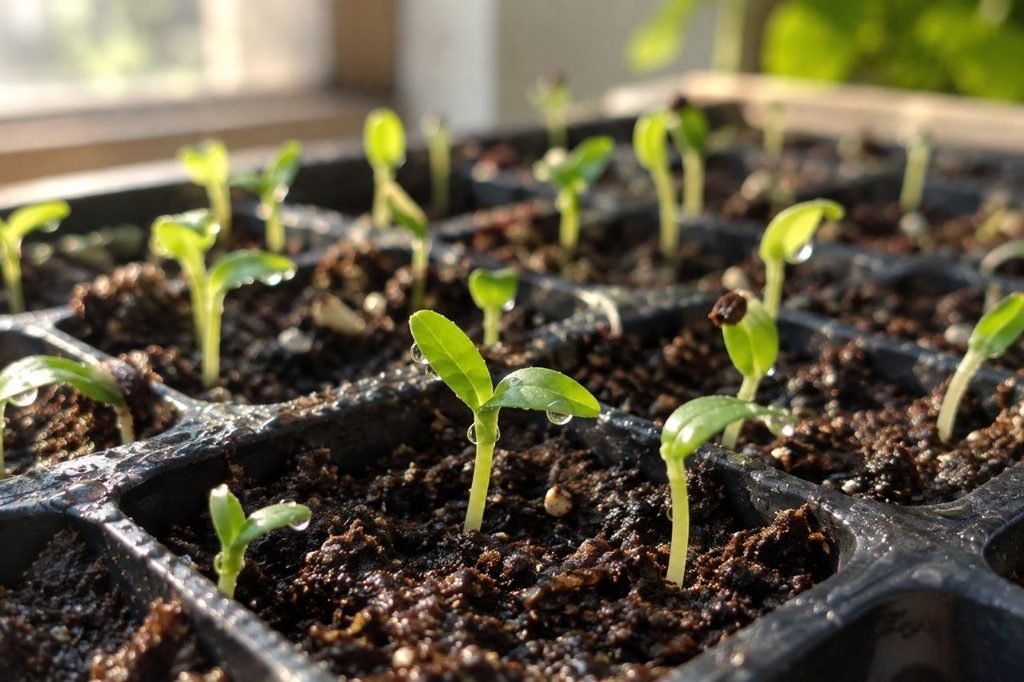
Once true leaves appear, not just the first seed leaves, move the seedling into brighter, more direct light. Resist digging around in the soil to check on progress. Disturbed roots at this stage often don’t recover.
Growing the Seedling: The First 1 to 2 Years
This stage is about building a healthy young tree, not shaping one yet.
- Light: Several hours of bright light daily.
- Watering: Skip the fixed schedule. Water when the top layer of soil feels dry, since needs shift with the season.
- Feeding: Once a few sets of true leaves appear, start a diluted, balanced fertilizer every 2 to 4 weeks during the growing season.
- Repotting: Move up to a slightly bigger pot once roots fill the current one, so the trunk has room to thicken.
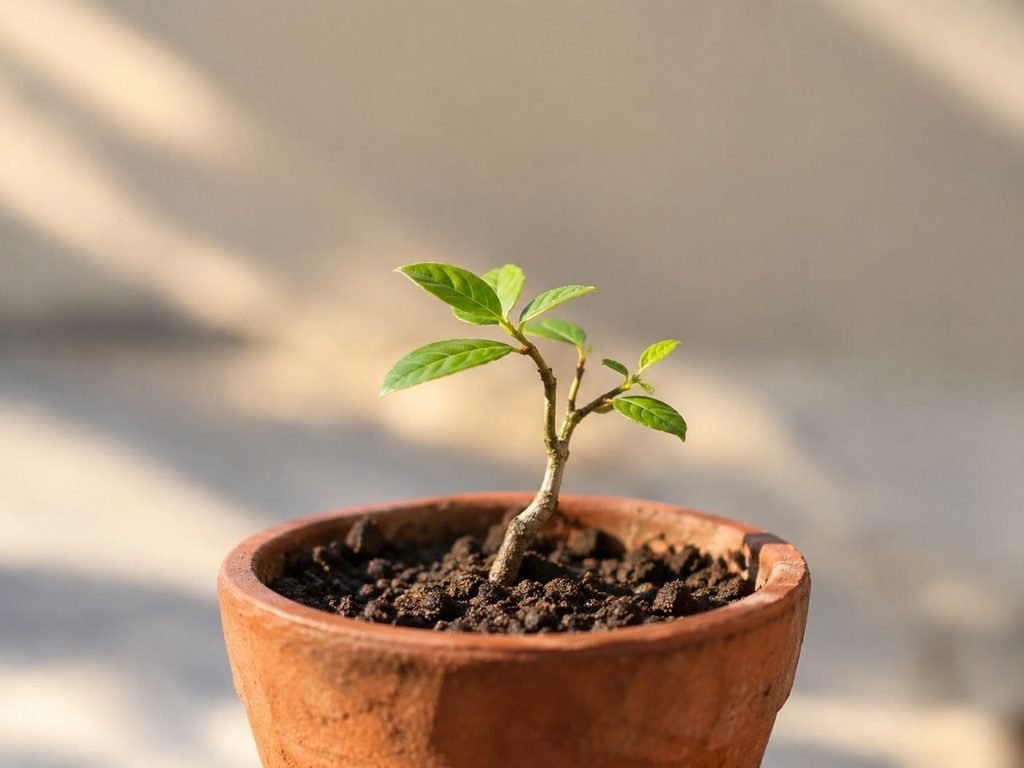
Trunk thickening at this stage sets the ceiling for how good the final tree can look. Most growers, myself included, let the tree grow freely for 1 to 2 years before touching a pair of shears.
Basic Training: Wiring and Pruning
Once the stem has thickened a bit, usually after a year of free growth, training can start.
- Pruning: Trim new shoots gradually, cutting just above a leaf node. This fills the tree out over time.
- Wiring: Wrap aluminum or copper bonsai wire around branches to guide their direction. Check it regularly and remove it before it cuts into the bark as the branch thickens.
- Pinching: For ficus or juniper, pinch new growth tips by hand instead of cutting. It keeps the shape neat without heavy pruning.
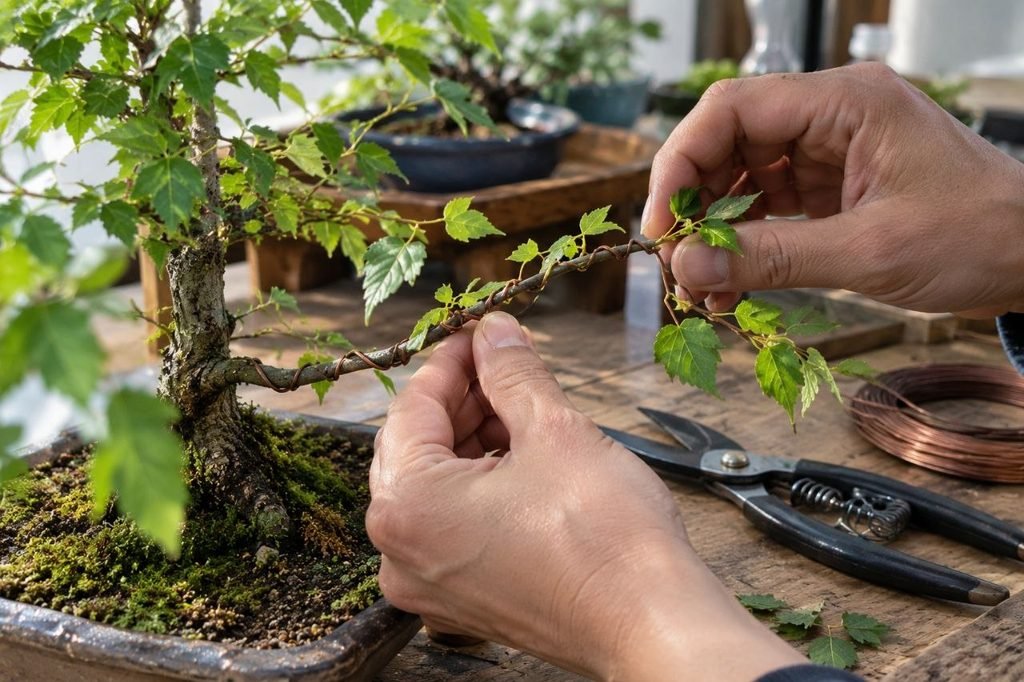
Move slowly here. Heavy pruning or aggressive wiring on a thin, young trunk can stress or kill the plant. Small seasonal adjustments beat trying to reshape the whole tree in one sitting, every time. If you want to go deeper on wiring technique once you’re past this early stage, I’ve covered it in more detail in my full guide to bonsai care, pruning, and wiring.
A batch I started over 6 years ago, a mix of jade, ficus, and a couple of fruit varieties, is the clearest proof of this I have. The jade and ficus have real trunk taper and branch structure now, with no shortcuts, because I let them thicken freely before a single wire went on. Not every one of them made it. But the ones that did are still some of the healthier trees in my collection today.
Repotting Into a Bonsai Pot
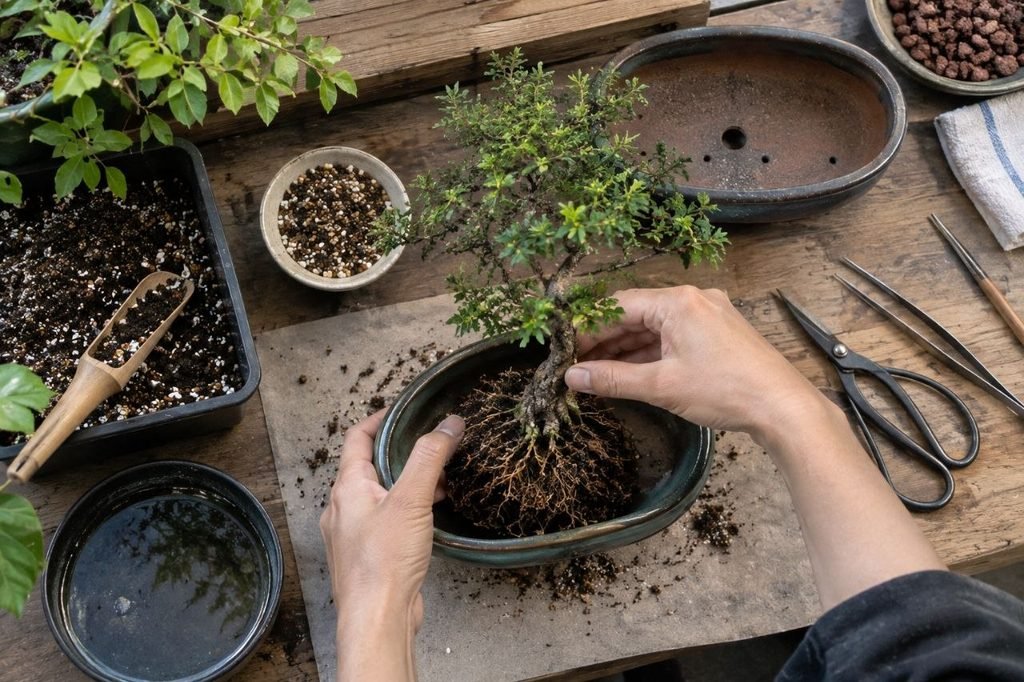
Don’t move a young seedling straight into a shallow bonsai tray. Roots need room to spread first. Wait until the tree is at least 2 to 3 years old, and use a slightly larger training pot in the meantime.
When you do repot:
- Trim back roughly one-third of the root ball from the bottom.
- Use a proper bonsai soil mix that drains well but still holds air.
- Plant the tree slightly off-center rather than dead center. It reads more natural.
- Water thoroughly right after, then keep it in gentle light and light shade for about two weeks while it settles.
How Long Does This Actually Take?
Every stage takes longer than beginners expect.
- Germination: a few weeks to a few months.
- Young sapling: 1 to 2 years.
- Shaping and training: usually starts after year 2.
- Looking like a proper bonsai: 5 to 8 years.
- Full maturity: 10 to 20 years or more.
Ficus and elm move quickly. Pines and junipers take far longer, but the slower ones tend to end up more valuable and more refined once they get there.
Growing a Bonsai Fruit Tree From Seed
Fruit varieties add their own timeline and quirks:
- Slower to fruit: Expect 4 to 6 years or more before flowering and fruiting starts, longer than a regular fruit tree.
- Normal-sized fruit: The tree stays miniature, but the fruit doesn’t. A small lemon bonsai still grows a full-sized lemon. It looks odd but it’s completely normal.
- Different feeding needs: Switch to a phosphorus-heavy fertilizer as the tree approaches flowering season.
- Hand pollination indoors: Without insects to do the job, you’ll need to hand-pollinate flowers yourself with a small brush.
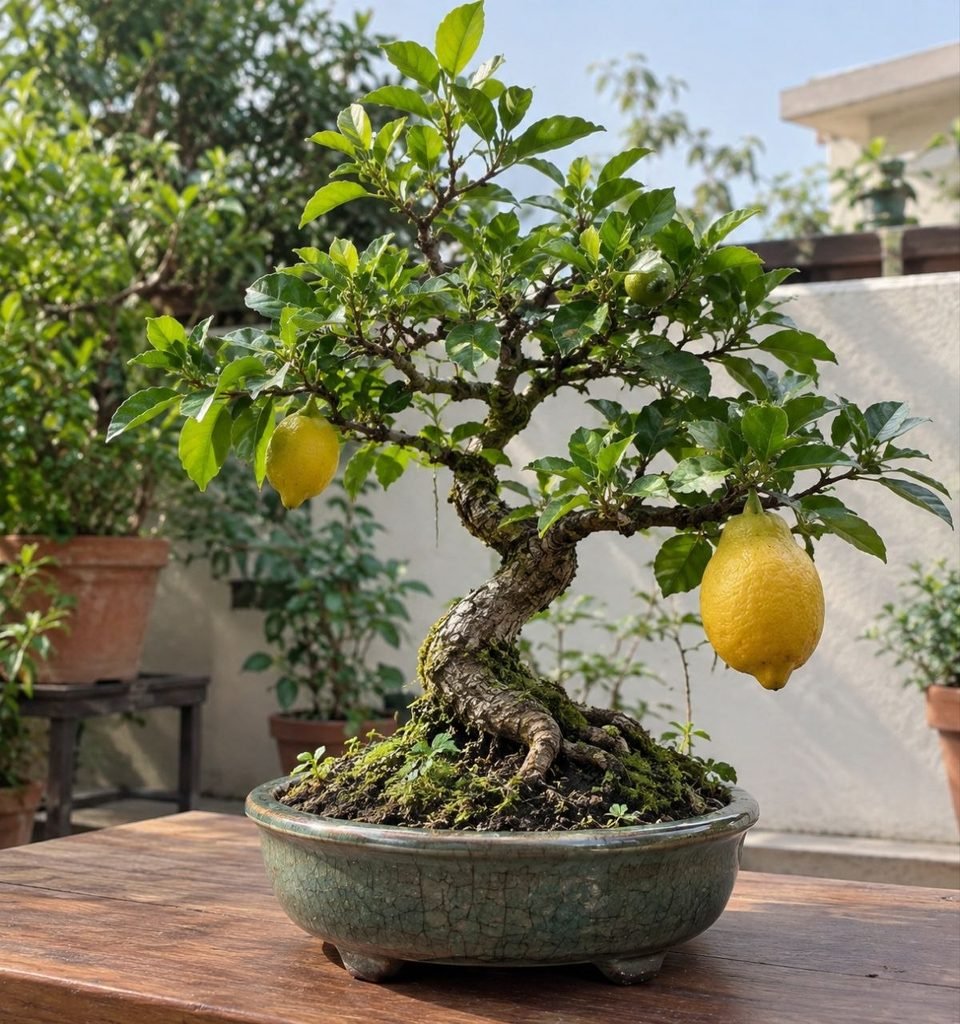
In that same 6-year batch I mentioned, the fruit trees started flowering and fruiting right around year 5, which lined up with what I’d expect from experience. Hand-pollinating them indoors turned into its own small skill I had to pick up, not something I’d done before with outdoor trees that pollinators handle on their own.
Common Mistakes Beginners Make
The five mistakes I see most often, and the ones I’ve made myself:
- Overwatering. The single biggest cause of seedling deaths.
- Training too early. Wiring or heavy pruning before the trunk thickens weakens the plant.
- Wrong species for the climate. Keeping an outdoor species indoors year-round, or the reverse, wears the tree down over time.
- Skipping stratification. Some seeds simply won’t germinate without their cold period.
- Ignoring pests. Indoor plants especially are prone to aphids, spider mites, and fungus gnats.
I’ve lost seedlings to most of these over the years, mainly overwatering and impatience with wiring too early. A good chunk of any batch I start doesn’t make it past the first year, and that’s normal even after 15 years of doing this. The ones that survive are usually the ones I left alone the longest before touching them. If your seedling has already made it past this stage and you’re seeing yellowing leaves, this troubleshooting guide walks through the most common causes.
FAQ
Can you really grow a bonsai tree from seed?
Yes. Any regular tree seed can become a bonsai through container growing, pruning, and wiring over several years. There’s no such thing as a special “bonsai seed,” just ordinary tree seeds trained into the bonsai form.
How long does it take to grow a bonsai from seed?
Expect 5 to 8 years before it looks like a proper bonsai, and 10 to 20 years or more to reach a fully mature, refined shape. Germination alone can take a few weeks to a few months depending on species.
What is the easiest bonsai tree to grow from seed for beginners?
Chinese Elm and Ficus are the most forgiving choices. Both tolerate watering mistakes and grow fast enough that you see progress within the first year or two.
Do bonsai seeds need to be refrigerated before planting?
Most temperate-climate species (maple, pine, juniper) need 6 to 12 weeks of cold stratification in the refrigerator to break dormancy. Tropical species like ficus can skip this and be sown directly.
How often should you water bonsai seedlings?
Keep the soil consistently damp but never waterlogged. Rather than watering on a fixed schedule, check the top layer of soil and water once it feels dry to the touch.
Can you grow a fruiting bonsai from seed?
Yes, though fruiting varieties like citrus, crabapple, and pomegranate take 4 to 6 years or more before they flower and fruit, longer than ornamental species take to simply look like a tree. Indoor fruit trees also need hand pollination since insects can’t reach them.
Final Thoughts
Growing a bonsai from seed isn’t a short project, it’s a long-running relationship with a living thing that rewards patience more than any other part of the hobby. You’re not forcing a shape onto the tree. You’re guiding something that’s already trying to grow, one season at a time.
If you’re just getting started, pick a Chinese Elm or Ficus, get the stratification and sowing steps right, and give yourself permission to lose a few seedlings along the way. That’s part of how everyone, including me, actually learns this.
